


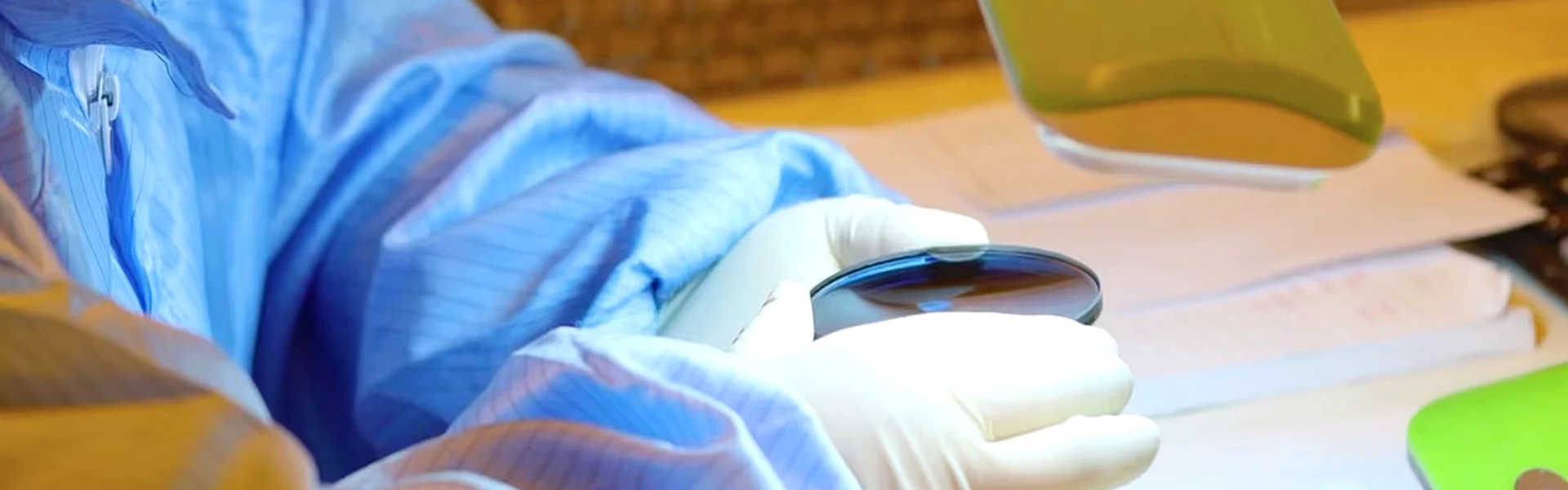
By Use Scenario / Driving and Low Light
Driving & Night Vision Lens Solutions
For driving-focused lens programs, the product mix should address glare, low-light visibility, dashboard-to-road focus changes and comfortable everyday wear. Vena Optics supports clear, tinted, polarized, photochromic and progressive lens combinations for driving-oriented collections.
Program Logic
Turn Driving Comfort Into a Practical Lens Program
Driving lens solutions should avoid medical night-vision promises. A stronger B2B program connects lens design, anti-reflective coating, tint, polarization and photochromic choices to real commuting and road-use needs.
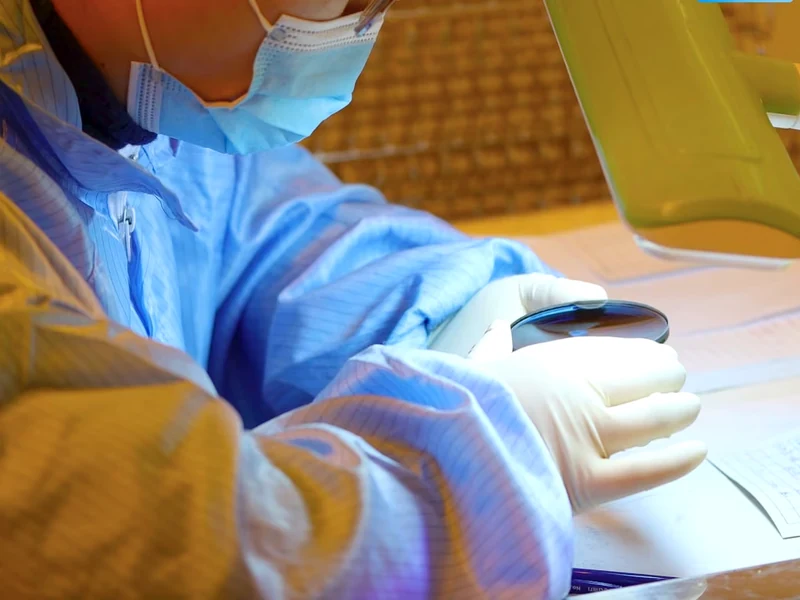
Recommended Lens Program
Driving Range Modules
Clear Driving Lenses
Single vision or progressive lenses with anti-reflective coating for daily and evening driving use.
Sun and Glare Control
Polarized or tinted lenses for bright road conditions, water reflection and outdoor driving.
Progressive Driving Options
Progressive designs that consider distance, dashboard and mirror-viewing needs.
RFQ Checklist
Confirm the Driving Claim Before Sampling
| Clear, sun or photochromic positioning | Confirm before sample or quotation. |
|---|---|
| Single vision or progressive design | Match the target wearer and price tier. |
| Coating color and glare-control expectation | Check reflection color, AR level and sample behavior. |
| Target driver group or market channel | Define commuter, professional driver or all-day wearer positioning. |
| Indoor/outdoor sample testing | Review tint, polarization and coating appearance before launch. |
FAQ
Driving Lens Questions
Can Vena make lenses for driving product lines?
Yes. Driving-oriented programs can combine AR coating, clear lenses, progressive designs, tinted sun lenses, polarized options or photochromic choices.
Do driving lenses need to be yellow?
Not always. Many modern driving programs focus on anti-reflective coating, visual comfort and glare management instead of only yellow tint.
Can progressive lenses be used for driving programs?
Yes. Progressive options can be considered when the wearer needs distance and intermediate viewing, such as road, mirrors and dashboard.
Can photochromic lenses be included?
Yes, but activation behavior behind windshields should be discussed carefully because different technologies respond differently.
Prepare a Driving Lens Sample Set
Send the target use, coating, tint, polarization and lens design needs so samples can be selected for road and low-light positioning.