


Progressive lenses are eyeglass lenses that help you see clearly at far, intermediate, and near distances in one pair of glasses.
Many people start struggling with near vision in their 40s and end up switching between reading glasses, computer glasses, and distance glasses every day. At the same time, progressive lenses often get blamed for discomfort or dizziness, mostly because people choose them without understanding how they work or how to fit them properly.
This guide explains what progressive lenses actually do, how they compare with other glasses, and how to choose them correctly, so you can decide with confidence and avoid common mistakes.
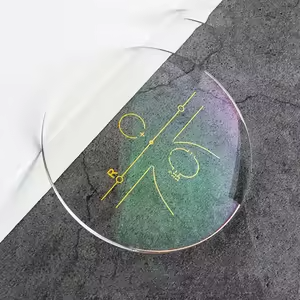
Why Progressive Lenses Are Becoming More Popular?
Progressive lenses are becoming popular because modern life demands constant visual switching. Most people read messages, work on screens, and drive within the same hour.
As presbyopia develops with age, near vision weakens even in people who never wore glasses before. According to the American Optometric Association, presbyopia affects nearly everyone over the age of 45. This makes multi-distance correction a practical need rather than a luxury.
Progressive lenses reduce the need for multiple pairs of glasses, which explains why more users consider them as a long-term solution.
Common Confusion Around Progressive Glasses
Many people hear mixed opinions about progressive glasses. Some users adapt quickly and love them, while others complain about distortion or headaches.
In most cases, the issue is not the lens concept itself. The real problems usually come from poor measurements, unsuitable frames, or unclear expectations. Progressive lenses demand more precision than regular glasses, and small mistakes can affect comfort.
What This Guide Will Help You Decide
This guide focuses on real-world use rather than marketing promises. It explains when progressive lenses work well and when they do not.
You will learn how prescription accuracy, frame selection, and daily habits influence performance, helping you decide whether progressive lenses fit your lifestyle and vision needs.
What Are Progressive Lenses?
Progressive lenses are multifocal lenses designed with a gradual change in optical power from top to bottom.
They correct distance, intermediate, and near vision without visible dividing lines. Unlike bifocals, progressive lenses look like standard eyeglasses while offering advanced functionality.
Definition of Progressive Lenses
A progressive lens combines multiple prescriptions into one continuous surface. The optical power increases smoothly as your eyes move downward.
This design allows users to see clearly at different distances by simply adjusting eye position, not by changing glasses.
How Progressive Lenses Differ from Regular Glasses
Single vision glasses correct only one viewing distance. Progressive lenses correct several distances at once.
This added complexity means progressive lenses require more accurate measurements and fitting. When done correctly, they provide convenience that single vision glasses cannot offer.
Why Progressive Lenses Have No Visible Lines
Progressive lenses eliminate visible lines by blending prescriptions gradually rather than stacking them.
This smooth transition avoids image jump and improves appearance. However, it also creates peripheral distortion, which users must learn to manage during adaptation.
How Progressive Glasses Work in Eyeglasses
Progressive glasses work by guiding your eyes through different vision zones. Each zone supports a specific viewing distance.
When the lenses align correctly with your eyes, vision feels natural. When alignment is off, discomfort appears quickly.
Distance, Intermediate, and Near Vision Zones
Every progressive lens contains three functional zones arranged vertically.
Upper Zone – Distance Vision
The top portion handles distance tasks such as driving and walking.
You naturally look straight ahead through this zone, which keeps distance vision stable.
Middle Zone – Intermediate Vision
The middle zone supports computer work and dashboard viewing.
This area is narrower, which is why screen height and posture matter with progressive lenses.
Lower Zone – Near Vision
The bottom zone supports reading and close tasks.
You access it by lowering your eyes rather than tilting your head excessively.
Insert position: After Distance, Intermediate, and Near Vision Zones, before Progressive Lenses vs Other Types of Glasses Image description: Progressive lenses mounted in metal and acetate frames on an optical lab table, showing different frame heights and shapes. Alt text: progressive lenses in eyeglass frames frame height compatibility
How Eye and Head Movement Affects Vision
Progressive lenses encourage vertical eye movement. Side-to-side eye movement increases distortion.
Turning your head instead of shifting your eyes improves clarity. Most users adapt within one to two weeks when they wear the glasses consistently.
Common Misunderstandings About Progressive Lenses
Many users think discomfort means failure. In reality, short-term adjustment is normal.
Another misunderstanding is assuming all progressive lenses perform the same. Lens design quality and fitting precision vary widely and directly affect comfort.
Progressive Lenses vs Other Types of Glasses
Choosing progressive lenses makes sense only when compared realistically with alternatives.
Progressive Lenses vs Single Vision Glasses
| Feature | Progressive Lenses | Single Vision Glasses |
|---|---|---|
| Vision correction | Near, intermediate, and distance | One distance only |
| Glass switching | Not needed | Often required |
| Adaptation period | Yes | No |
| Peripheral clarity | Narrower | Wider |
| Daily convenience | High | Limited |
| Best for | Multi-distance users | Single-task users |
Progressive Lenses vs Bifocal Glasses
| Feature | Progressive Lenses | Bifocal Glasses |
|---|---|---|
| Visible line | No | Yes |
| Vision zones | Three | Two |
| Image jump | No | Yes |
| Appearance | Modern | Noticeable line |
| Adaptation | Moderate | Easy |
Who Should Not Choose Progressive Lenses?
Progressive lenses are not ideal for everyone.
People who perform long hours at a fixed distance or need wide peripheral clarity may prefer task-specific lenses.
Prescription Glasses with Progressive Lenses
Prescription accuracy is critical for progressive lenses because errors affect all vision zones.
Why Accurate Prescription Is Critical?
Even small prescription errors can cause blur or eye strain.
Inaccurate centration is one of the most common causes of progressive lens discomfort.
Importance of ADD Power in Progressive Lenses
ADD power controls near vision strength. Too much ADD strains posture, while too little strains the eyes.
Balanced ADD selection improves comfort, especially for first-time wearers.
Role of PD and Fitting Height
Pupillary distance and fitting height align vision zones with your eyes.
Incorrect measurements shift zones away from natural sightlines, increasing distortion and fatigue.
Risks of Incorrect Prescription Glasses
Poor prescriptions lead to headaches, blurred vision, and poor adaptation.
Many users blame progressive lenses themselves, when the real issue is incorrect data or rushed fitting.
Progressive Lenses and Frames
Frame selection strongly influences progressive lens performance.
Why Frame Choice Matters for Progressive Glasses?
Frames control lens height and angle. Unsuitable frames reduce usable vision areas.
Even premium lenses fail in poorly chosen frames, especially shallow designs.
Minimum Frame Height Requirements
Progressive lenses need enough vertical space to fit all zones.
Frames with limited height restrict near or intermediate vision.
Frame Shapes That Work Best
Frames with moderate depth and stable nose support work best.
Balanced shapes allow smoother transitions between vision zones.
Frames That Can Cause Progressive Lens Failure
Ultra-narrow or highly curved frames increase distortion risk.
These frames often require specialized designs to perform well.
Why Some People Struggle with Progressive Lenses?
Most struggles come from avoidable mistakes, such as incorrect frame choice or inaccurate fitting data.
Who Are Progressive Lenses Best For?
Progressive lenses work best for users with varied visual demands and balanced expectations.
How to Choose the Right Progressive Glasses?
Understanding usage habits, frame compatibility, and professional fitting requirements leads to better outcomes.
Progressive lenses are not one-size-fits-all.
Progressive Lenses Require Technical Precision
Progressive lenses are precision optical products, not interchangeable commodities. Performance depends on correct design selection, accurate fitting data, and frame compatibility. When these factors align, progressive lenses deliver stable results and long-term commercial value.
Discuss Progressive Lens Solutions with Our Team
If you source or distribute progressive lenses, partner with a supplier who understands design, fitting, and market requirements.
Contact our technical team to discuss progressive lens designs, OEM options, and wholesale solutions tailored to your business.