


Hard coating vs multi coating lenses is a common comparison in optical lens purchasing.
Many buyers see HC, HMC, SHMC, anti-reflective coating, and hydrophobic coating on a quotation sheet, but the real performance difference may not be clear. A wrong coating choice can lead to scratches, glare complaints, coating peeling, difficult cleaning, or unstable quality in repeat orders.
This guide explains how hard coating and multi coating work, how they differ, and how you can choose the right coating option for different lens products, price levels, and market needs.
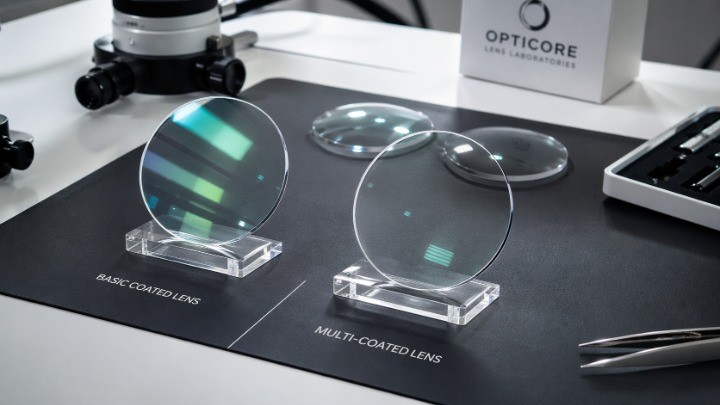 Hard Coating vs Multi Coating Lenses: The Quick Answer
Hard coating mainly improves scratch resistance, while multi coating improves scratch resistance, clarity, glare reduction, and cleaning performance. If you only need basic surface protection, hard coating can be enough. If you want better visual comfort and a more premium lens appearance, multi coating is usually the better choice.
Hard coating works as a protective layer on the lens surface. It helps resin lenses resist daily abrasion from cleaning, handling, and normal use. However, hard coating does not reduce reflections.
Multi coating usually combines several functional layers. These may include hard coating, anti-reflective coating, hydrophobic coating, oleophobic coating, and sometimes blue light or UV-related functions depending on the lens design.
| Factor | Hard Coating Lenses | Multi Coating Lenses |
|---|---|---|
| Main function | Scratch resistance | Scratch resistance, clarity, glare control |
| Reflection control | No clear improvement | Strong improvement with AR layers |
| Cleaning performance | Basic | Better, especially with hydrophobic or oleophobic top coat |
| Product level | Entry-level to basic daily use | Mid-range to premium daily use |
| Common abbreviation | HC | HMC, SHMC |
| Price level | Lower | Higher |
| Best use | Cost-sensitive lens lines | Mainstream and premium prescription lenses |
For optical wholesalers, brands, and labs, the best choice depends on market positioning. HC can support basic lens programs, while HMC and SHMC usually create better product value and fewer end-user complaints.
 What Is Hard Coating on Optical Lenses?
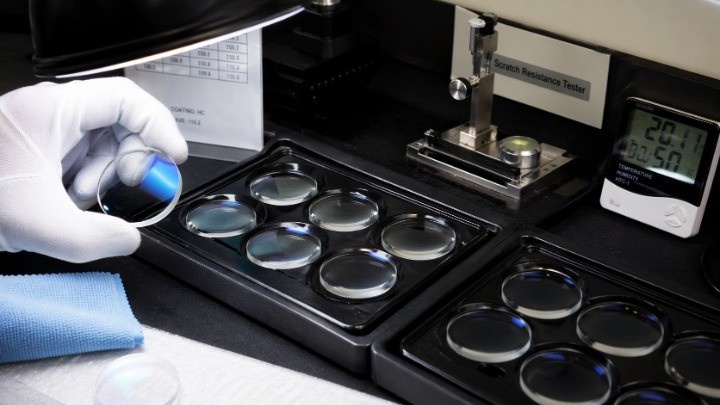
Hard coating is a protective surface treatment that improves the abrasion resistance of optical lenses. It is especially important for resin lenses because plastic lens materials are lighter than glass but can scratch more easily without surface protection.
In ophthalmic optics, abrasion resistance is not just a marketing phrase. ISO 8980-5 specifies requirements and test methods for spectacle lens surfaces that claim a basic level of abrasion resistance, including coated lenses. ()
Hard coating usually forms a transparent protective layer on the front and back lens surfaces. It helps the lens resist small scratches from wiping, storage, and daily handling.
This matters because many prescription lenses pass through several handling stages before the final wearer receives them:
• Factory inspection • Packaging and transport • Lab edging or mounting • Retail display or fitting • Daily cleaning by the wearer
Hard coating does not make a lens impossible to scratch. No normal ophthalmic coating can do that. However, it can reduce early surface damage and help maintain the lens appearance for longer.
For basic single-vision stock lenses, low-cost reading lenses, or entry-level resin lenses, HC can be a practical choice. It keeps the product affordable while still giving the lens a basic level of surface protection.
The main limitation is clear: hard coating does not solve reflection, glare, or transparency concerns. If a customer complains about reflections during night driving, screen use, or face-to-face communication, HC alone will not solve the problem.
 What Is Multi Coating on Optical Lenses?
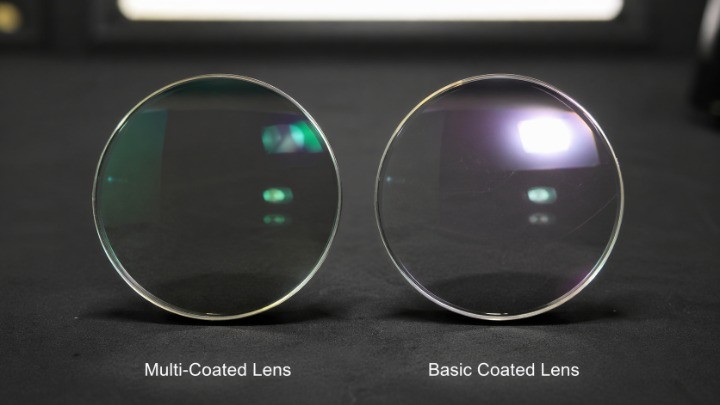
Multi coating is a layered coating system that improves both lens protection and optical performance. In most optical lens supply chains, multi coating usually refers to HMC or SHMC lenses rather than basic hard-coated lenses.
A multi-coated lens often starts with a hard coat layer. Then the manufacturer adds anti-reflective layers to reduce surface reflections and improve light transmission. The coating may also include top layers that resist water, oil, dust, or fingerprints.
This layered design makes multi coating more valuable for everyday prescription lenses. It improves the way the lens looks, performs, and cleans.
A good multi coating can help with:
• Lower visible reflections • Cleaner lens appearance • Better wearer comfort • Easier wiping and maintenance • Stronger product positioning • Reduced complaints from premium customers
Anti-reflective layers are one of the main reasons multi-coated lenses look clearer. These layers reduce light reflection from the lens surfaces, which can improve appearance and visual comfort in many daily scenes.
The U.S. National Eye Institute explains that refractive errors affect more than 150 million Americans, and eyeglasses remain one of the main correction methods. This large user base makes coating performance important because even small comfort differences can affect customer satisfaction at scale. ()
For product managers and purchasing teams, multi coating should not be treated as a simple upgrade word. You need to ask what layers are included, how the coating is tested, and how stable the result is across repeat production.
 HC, HMC, and SHMC: What Do These Coating Terms Mean?
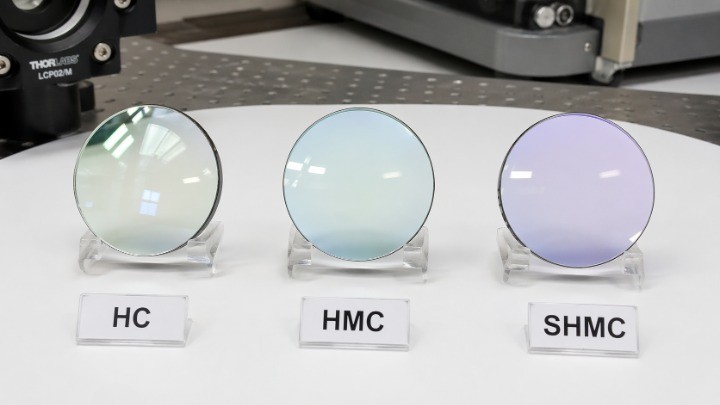
HC means hard coating, HMC means hard multi coating, and SHMC means super hydrophobic multi coating. These abbreviations help buyers compare coating levels, but suppliers may use them slightly differently.
HC usually refers to the basic scratch-resistant coating layer. It improves surface hardness but does not normally include strong anti-reflective performance.
HMC usually means the lens has a hard coat plus anti-reflective multi-layer coating. Many standard prescription lenses use HMC because it balances cost and performance.
SHMC usually adds a better top coat to HMC. The “super hydrophobic” part means the surface repels water more effectively. Some SHMC lenses also provide improved oil resistance and easier cleaning.
| Coating Type | Meaning | Main Function | Typical Market Position |
|---|---|---|---|
| UC | Uncoated | No major surface function | Very low-cost or special use |
| HC | Hard Coating | Scratch resistance | Entry-level |
| HMC | Hard Multi Coating | Scratch resistance + anti-reflection | Mainstream |
| SHMC | Super Hydrophobic Multi Coating | HMC + easier cleaning and water resistance | Premium |
The problem is that coating names do not always tell the whole story. One supplier’s HMC may perform better than another supplier’s SHMC if the layer structure, equipment, materials, and process control differ.
That is why professional buyers should compare samples, coating test results, reflection color consistency, and after-sales history instead of relying only on abbreviation names.
Hard Coating vs Multi Coating Lenses: Key Differences
The key difference is that hard coating protects the lens surface, while multi coating protects the surface and improves optical performance. This difference affects product cost, appearance, comfort, and complaint risk.
Hard coating focuses on abrasion resistance. It answers one question: can the lens surface better resist small scratches during normal use?
Multi coating answers several questions at the same time. Can the lens resist scratches? Can it reduce reflection? Can the surface stay cleaner? Can the wearer experience clearer vision under bright light, screens, or night conditions?
| Comparison Point | Hard Coating | Multi Coating |
|---|---|---|
| Scratch resistance | Yes | Yes |
| Glare reduction | Limited | Better |
| Lens transparency | Basic | Higher visual clarity |
| Reflection appearance | More visible reflections | Cleaner appearance |
| Easy-clean effect | Limited | Better with top coat |
| Water resistance | Basic | Better with SHMC |
| Price | Lower | Higher |
| Complaint risk | Higher in premium markets | Lower when quality is stable |
For wholesalers, hard coating may work well in price-sensitive channels. For optical chains and private-label lens brands, multi coating often makes more sense because customers expect better comfort and easier maintenance.
The right coating is not always the most expensive one. The right coating is the one that matches the lens type, user scenario, and market price level.
Is Multi Coating the Same as Anti-Reflective Coating?
Multi coating is not exactly the same as anti-reflective coating. Anti-reflective coating is usually one important part of a multi coating system. Multi coating may also include hard coating, hydrophobic coating, oleophobic coating, or other functional layers.
This distinction matters when you compare quotations. A supplier may offer “AR coating,” but that does not automatically mean the lens has strong scratch resistance, easy-clean performance, or premium water repellency.
Anti-reflective coating mainly reduces reflections on the lens surface. This helps the lens look more transparent and can improve visual comfort, especially in bright indoor lighting, night driving, and screen-heavy environments.
Multi coating is broader. It builds a complete coating package around optical clarity, surface durability, and maintenance.
For example, two lenses may both have AR coating. One may only have a basic anti-reflective layer. Another may include hard coat, multi-layer AR, hydrophobic top coat, and oleophobic protection. These two products should not be priced or positioned the same way.
This is why you should ask suppliers for coating structure and performance tests, not only coating names.
Common Lens Coating Options Explained
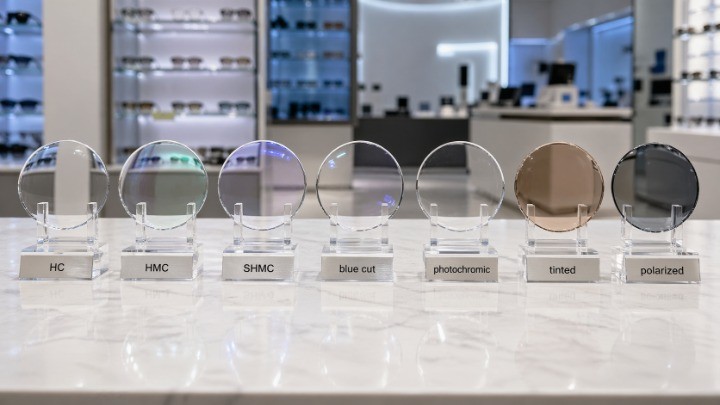 The most common lens coating options include hard coat, anti-reflective coating, anti-static coating, hydrophobic coating, oleophobic coating, blue light protection, UV protection, mirror coating, tinting, and polarized options.
Each coating solves a different problem. A professional lens program often combines several coating functions based on product positioning.
| Coating Option | Main Purpose | Common Use |
|---|---|---|
| Hard coat | Improves scratch resistance | Basic and mainstream resin lenses |
| Anti-reflective coating | Reduces surface reflection | Daily prescription lenses |
| Anti-static coating | Reduces dust attraction | Premium clear lenses |
| Hydrophobic coating | Repels water | Easy-clean lenses |
| Oleophobic coating | Resists oil and fingerprints | Premium lens lines |
| Blue light coating | Filters part of HEV blue-violet light | Digital-use lenses |
| UV protection | Helps block ultraviolet radiation | Daily eyewear and sunglasses |
| Mirror coating | Creates reflective appearance | Sun lenses and fashion eyewear |
| Polarized option | Reduces horizontal glare | Sunglasses and outdoor use |
For prescription eyewear, hard coat and multi coating remain the most important choices because they affect daily use directly.
UV and impact performance also matter in regulated markets. The U.S. FDA states that eyeglasses and sunglasses must generally use impact-resistant lenses, with specific exceptions. () The FDA also explains that lenses generally need to withstand the impact test described in 21 CFR 801.410. ()
Coating does not replace impact-resistant material design. However, coating quality still plays a major role in surface durability, appearance, and user satisfaction.
Which Lens Types Need Hard Coating or Multi Coating?
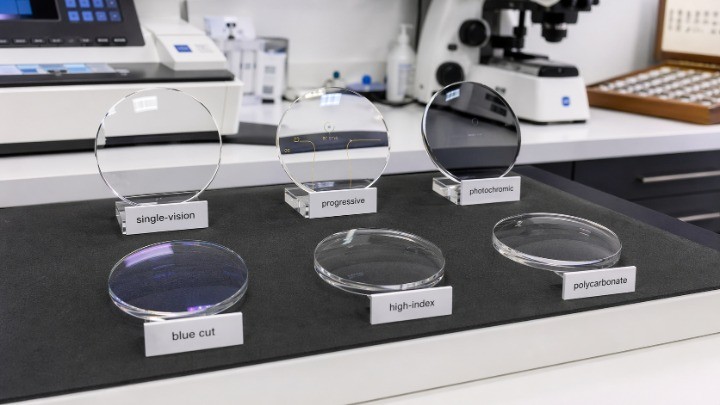 Most resin optical lenses benefit from hard coating, while mainstream and premium prescription lenses usually benefit more from multi coating. The coating choice should match the lens material, index, design, and customer use case.
Single-vision lenses often use HC, HMC, or SHMC depending on price level. Entry-level stock lenses may use HC, while daily-use prescription lenses often use HMC.
Progressive lenses usually deserve better coating. These lenses already carry higher value because of their multifocal design. Poor coating can make the whole product feel cheap, even if the optical design is good.
Photochromic lenses also benefit from stable multi coating because users wear them indoors and outdoors. The lens needs to look clear indoors and perform reliably when light conditions change.
Blue cut lenses often use multi coating because the target user may spend long hours with screens. In this category, glare control, transparency, and reflection color matter.
High-index lenses need careful coating control. These lenses are often thinner and higher priced, so buyers usually expect better appearance and easier cleaning.
PC and polycarbonate lenses need strong coating attention because the material is impact resistant but can need extra surface protection for daily optical use.
For more general product planning, you can review Vena Optics’ lens range on , including single vision, progressive, photochromic, blue light blocking, bifocal, and coating system categories.
Common Problems Caused by Poor Lens Coating Quality
Poor lens coating quality can cause scratches, peeling, cracking, uneven reflection color, difficult cleaning, and higher replacement rates. These problems affect both end-user satisfaction and supplier trust.
Scratches are the most visible problem. If customers see surface marks after short use, they may blame the lens quality, even when cleaning habits also play a role.
Coating peeling creates a more serious issue. It suggests weak adhesion, poor processing control, or incompatibility between coating and substrate. In bulk orders, peeling can quickly become a repeat complaint.
Uneven reflection color is another common issue. A slight color difference may be acceptable in some markets, but strong inconsistency can damage private-label product appearance.
Water marks and oil stains also affect user experience. When the surface holds fingerprints, customers clean the lens more often. More cleaning increases abrasion risk.
Poor coating adhesion after edging can cause trouble for labs and retail chains. If the coating edge breaks down during mounting, the whole supply chain loses time.
Professional buyers should treat these coating problems as business risks, not just technical details. A low unit price can become expensive if it increases remake rates, returns, and brand damage.
How to Evaluate Lens Coating Quality Before Bulk Purchase
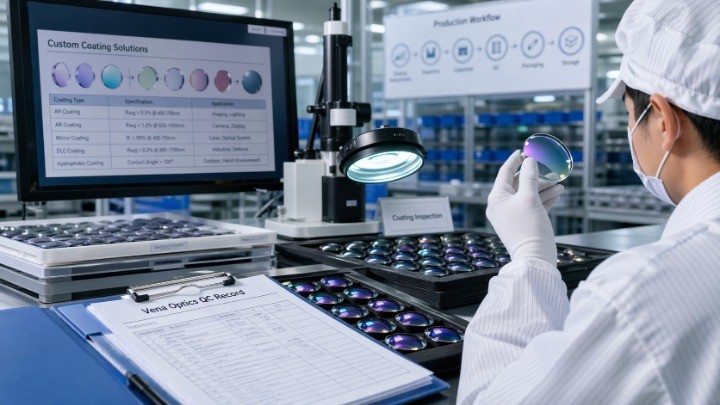 You should evaluate lens coating quality through specifications, samples, abrasion tests, adhesion checks, reflection color comparison, easy-clean performance, and batch consistency. A good coating decision should rely on evidence, not only a product name.
Start by asking for coating specifications. The supplier should explain whether the lens is HC, HMC, or SHMC and what functional layers the coating includes.
Then check abrasion resistance. ISO 8980-5 gives an industry reference for spectacle lens surfaces that claim abrasion resistance. This makes abrasion testing a useful topic during supplier evaluation. ()
You should also ask about adhesion testing. Some factories use boiling tests, tape tests, or other internal checks to evaluate whether the coating stays stable on the substrate.
A simple sample review can also reveal many issues. Place lenses from different batches under the same light source and compare reflection color, surface smoothness, and visible defects.
Before confirming a bulk order, you can use this checklist:
-
Confirm coating name and layer structure.
-
Ask for abrasion resistance data or testing method.
-
Review adhesion and boiling test practice.
-
Compare reflection color under consistent lighting.
-
Test water drops on the lens surface.
-
Check how easily oil marks wipe off.
-
Request samples from more than one production batch.
-
Confirm how the supplier controls repeat-order consistency.
This process helps you avoid a common mistake: choosing a coating based only on a quotation line.
How to Choose the Right Coating for Different Market Needs
You should choose lens coating based on market level, product type, end-user expectations, and after-sales risk. The lowest price is not always the safest choice.
For entry-level markets, HC or basic HMC may be enough. These lens lines usually compete on affordability, fast delivery, and stable basic quality.
For mid-range markets, stable HMC is usually a better choice. It gives users better transparency and reflection control while keeping cost manageable.
For premium markets, SHMC can support stronger product positioning. The surface feels easier to clean, and the lens looks more refined under retail lighting.
| Market Need | Recommended Coating | Reason |
|---|---|---|
| Entry-level stock lenses | HC or basic HMC | Controls cost while offering basic protection |
| Mainstream prescription lenses | HMC | Balances clarity, durability, and price |
| Premium lens programs | SHMC | Improves easy-clean effect and product value |
| Optical chains | Stable HMC or SHMC | Reduces complaint risk across many stores |
| Wholesalers | HMC with consistent batches | Balances repeat supply and cost |
| Private-label brands | HMC or SHMC | Supports brand image and differentiation |
Optical chain stores often need coating stability more than extreme specifications. A lens that performs consistently across stores is easier to sell and support.
Wholesalers and distributors need a balance between price and repeat supply. If the coating changes between batches, customers may lose confidence.
Private-label lens brands need coating consistency because the product must match the brand promise. If the brand sells “premium easy-clean lenses,” the coating must prove that claim in daily use.
Questions to Ask Your Optical Lens Manufacturer About Coatings
Before placing a bulk order, you should ask your lens manufacturer about coating grades, layer structure, testing methods, sample support, coating color, customization, and batch control.
These questions help you move beyond surface-level coating names. They also show whether the supplier understands professional lens programs or only sells standard stock products.
Use these questions during supplier evaluation:
• What coating grades do you offer: UC, HC, HMC, or SHMC? • What layers are included in your HMC or SHMC coating? • What testing methods do you use for abrasion resistance? • How do you check coating adhesion? • Can you provide samples before bulk production? • Can you control reflection color across batches? • Can you customize coating color for private-label products? • How do you handle coating defects if they appear in bulk orders? • Can you provide inspection reports or batch records?
The supplier’s answers reveal a lot. A professional manufacturer should explain coating logic clearly and connect it with lens material, index, and application.
If the answer only says “our coating is good,” you still do not have enough information. A reliable coating program needs documented control, not only verbal assurance.
Why Coating Stability Matters for Large-Scale Lens Supply
Coating stability matters because large-scale lens buyers need repeatable quality, not one good sample. A perfect sample means little if the next shipment has different reflection color, weak adhesion, or more visible defects.
Stable coating reduces remake and replacement risk. This matters for optical chains, online eyewear brands, wholesalers, and labs that handle repeated customer orders.
Consistent coating appearance also protects brand image. When lenses from different batches look the same under retail lighting, customers feel more confident in the product.
Large-scale production needs clear process control. The factory should manage coating materials, cleaning conditions, vacuum coating parameters, curing steps, inspection standards, and batch records.
Vena Optics presents itself as a large-scale optical lens manufacturer in Danyang, China, with OEM/ODM support, private-label service, and quality control processes for retailers, distributors, and eyewear brands.
The company also describes coating and surfacing quality control, batch records, and traceability as part of its manufacturing system. () These points matter because coating stability is one of the first things customers notice in repeat orders.
How Vena Optics Supports Custom Lens Coating Solutions
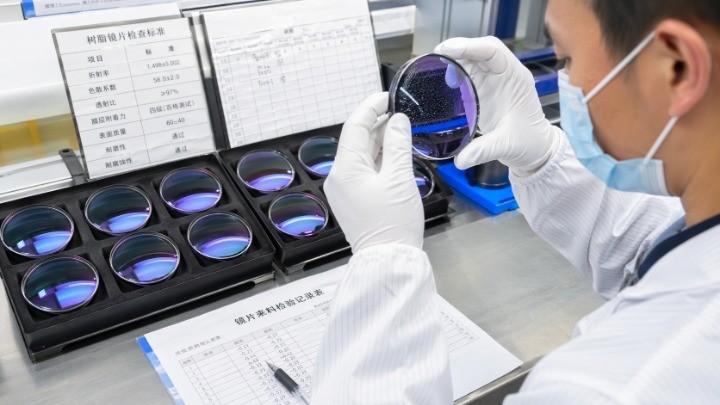 Vena Optics supports optical lens buyers with HC, HMC, SHMC, blue cut, photochromic, and functional coating options for different product levels. This helps customers match coating performance with lens type, price position, and market demand.
For basic lens programs, Vena Optics can help select cost-effective coating options that support stable supply. For mainstream product lines, HMC can provide a practical balance of durability and optical clarity.
For premium product lines, SHMC can support better cleaning performance and a higher-value product image. This option fits markets where customers care about comfort, appearance, and long-term use.
The company’s website lists single vision, progressive, photochromic, blue light blocking, bifocal, and premium coating system categories. It also describes OEM/ODM services, private labeling, custom packaging, and inspection support.
For product development, buyers can also connect coating choices with other specifications:
• Lens material and refractive index • Finished or semi-finished lens format • Blue cut or photochromic function • Reflection color preference • Market price level • Packaging and private-label positioning • Batch documentation requirements
You can learn more about the company’s manufacturing positioning through or send coating requirements through the .
Final Thoughts: Hard Coating vs Multi Coating Lenses
Hard coating protects the lens surface, while multi coating improves both protection and optical clarity. HC works well for basic lens programs, but HMC and SHMC usually provide better value for mainstream and premium prescription lenses.
The best choice depends on the lens type, target market, expected price level, and after-sales risk. When you compare suppliers, do not stop at coating names. Ask for coating structure, sample consistency, abrasion performance, adhesion control, reflection color stability, and repeat-order quality management.
Need Help Choosing the Right Lens Coating?
If you need HC, HMC, SHMC, blue cut, photochromic, or customized coating solutions, Vena Optics can help you match coating options with your lens product line, market level, and purchasing plan.
Contact Vena Optics to discuss your coating requirements, lens specifications, OEM/ODM packaging needs, and bulk supply expectations. A clear coating strategy can help you reduce complaints, improve product value, and build a more stable optical lens supply chain.