


Progressive lenses help you see far away, at screen distance, and up close in one pair of glasses. This article explains what progressive lenses are, how they work, and how to decide whether they fit your daily life.
Many people feel unsure about progressive lenses because they hear mixed opinions. Some people love the convenience. Others talk about blur, dizziness, or a hard adjustment period. Most of that confusion comes from poor explanations, not from the lenses themselves.
This guide gives you the practical side. You will learn who progressive lenses suit best, what problems show up most often, and what to check before you buy. For more lens education, you can also visit the Vena Optics Blog

What Are Progressive Lenses?
Progressive lenses are no-line multifocal lenses that combine distance, intermediate, and near correction in one lens. Unlike bifocals or trifocals, they do not use visible segments. The prescription changes smoothly from top to bottom. You can read more from the American Academy of Ophthalmology.
A simple definition of progressive lenses
A progressive lens gives you different viewing zones in the same lens. The top supports distance vision. The middle supports intermediate tasks like screen use. The bottom supports near work such as reading.
That is why many people see progressive lenses as an all-day solution. You do not need one pair for driving and another pair for reading every time your task changes.
Why they are also called no-line multifocal lenses
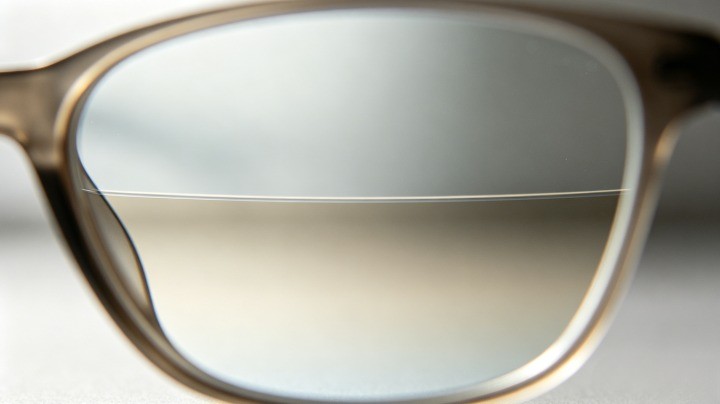
People often call them no-line multifocals because they do the job of a multifocal lens without the visible line you see in bifocals or trifocals. That gives the glasses a cleaner look.
The no-line design is not only about appearance. It also removes the sharp jump between zones that older lined designs can create. For many wearers, that makes daily use feel smoother once they adapt.
The three vision zones inside one lens
Most progressive lenses include three main zones:
• top for distance
• middle for intermediate vision
• bottom for near vision
This layout matches how people use their eyes now. A normal day may include walking, driving, checking a phone, reading labels, and working on a screen within the same hour.
How Do Progressive Lenses Work?
Progressive lenses work by changing lens power gradually from the top to the bottom of the lens. You look through different parts of the lens depending on the distance you need.
This smooth change is the reason progressive lenses feel more modern than lined multifocals. At the same time, it also explains why fit and user habits matter more than many first-time buyers expect.
Distance vision at the top of the lens
The top part supports distance vision. You use it for walking, driving, and looking across a room. For many first-time wearers, this area feels easiest because it is the most familiar way to look through glasses.
Distance vision alone does not decide whether a progressive lens feels good. The real test comes when you shift to screens, dashboards, documents, and reading.
Intermediate vision for screens and daily tasks
The middle zone supports screen use, dashboards, shelves, and other arm’s-length tasks. This middle range is one big reason progressive lenses feel more useful than bifocals in modern life.
That middle zone matters because daily vision is rarely only far or near. A large part of modern work happens in the space between those two distances.
Near vision for reading and close work
The lower part supports reading and close work. Many people first notice they need this help when they start holding reading material farther away than before.
That is often the point when progressive lenses start to make sense. The lens does not only fix one reading moment. It helps support the whole flow of daily visual tasks.
Why the power changes gradually instead of using visible lines
A progressive lens blends the prescription instead of separating it with hard lines. That gives you smoother visual transitions, but it also means the lens needs accurate fitting and a little user practice.
The same feature that makes progressive lenses more natural also makes them more sensitive to fitting quality. That is why good measurements and realistic expectations matter from the start.
Who Are Progressive Lenses Best For?
Progressive lenses are best for people who need help at more than one viewing distance and want one pair of glasses for daily use. They are most often used by adults with presbyopia. For a plain medical explanation of presbyopia, see the National Eye Institute.
People with presbyopia who need more than one viewing distance
Presbyopia is a normal age-related change that makes close vision harder. If you still need clear distance vision but now struggle with close work, progressive lenses are a logical next step because they cover both needs in one lens.
That is why progressive lenses often come up when people reach their mid-40s or later. The need is common, but the right lens choice still depends on lifestyle, frame choice, and comfort needs.
Adults who want one pair of glasses for daily life
Some buyers mainly want convenience. They do not want to keep switching between readers, computer glasses, and distance glasses during the day.
For that group, progressive lenses can simplify daily routines and reduce visual interruptions. That practical benefit matters as much as the optics.
Office workers, drivers, and frequent readers
Office workers benefit from the middle zone for screens. Drivers benefit from having distance and dashboard support in one pair. Frequent readers benefit from easy access to near correction.
These use cases explain why progressive lenses work well for mixed daily tasks. The more often you switch viewing distance, the more useful one-pair correction tends to become.
Who may not be the best candidate for progressive lenses right away
People who use one fixed distance all day, choose very shallow frames, or expect instant comfort may need more guidance. In many of these cases, the lens is not the real problem. The frame, the fitting, or the use case is.
That does not mean progressive lenses are wrong for them. It means the match between the lens and the wearer needs more care.
Progressive Lenses vs. Other Common Lens Options
Progressive lenses are often the most flexible option for daily wear, but they are not always the simplest or the cheapest. The best choice depends on how many distances you need to cover.
| Lens Type | Distances Covered | Visible Line | Main Strength | Main Limitation |
|---|---|---|---|---|
| Progressive lenses | Distance, intermediate, near | No | One-pair convenience | Takes some adjustment |
| Single-vision lenses | One distance | No | Very clear for one task | No multi-distance flexibility |
| Bifocals | Distance and near | Yes | Simple two-zone correction | No true intermediate zone |
| Trifocals | Distance, intermediate, near | Yes | Covers three distances | Visible lines and more image jump |
| Reading glasses | Near only | No | Easy and low cost | No distance support |
Progressive lenses vs. single-vision lenses
Single-vision lenses are simpler because they are made for one distance only. They are often the best choice when your visual task stays the same most of the day.
Progressive lenses make more sense when you move often between far, mid-range, and near tasks. That is where flexibility becomes more valuable than simplicity.
Progressive lenses vs. bifocals
Bifocals correct distance and near vision, but they do not offer a true intermediate zone. That missing middle range matters now because so much daily work happens on screens and dashboards.
This is why many people move from bifocals to progressive lenses when they want more comfortable all-day use.
Progressive lenses vs. trifocals
Trifocals add an intermediate section, but they still use visible lines and more abrupt jumps between zones. Progressive lenses usually look cleaner and feel more natural for everyday wear.
That is why they fit current buying habits better, especially for people who care about both comfort and appearance.
Progressive lenses vs. reading glasses
Reading glasses work well for near tasks only. They are useful as a simple tool, but they do not replace distance or intermediate correction.
Progressive lenses are a better fit when you want one pair for regular daily wear instead of a near-only solution.
The Main Benefits of Progressive Lenses
The main benefit of progressive lenses is that they cover several distances in one pair without visible lines. That gives wearers both practical convenience and a cleaner look.
The biggest benefits usually include:
• one pair for distance, intermediate, and near tasks
• no visible bifocal line
• less switching between glasses
• better fit for mixed daily routines
• a more modern appearance
These benefits matter in a much bigger eye-care picture. The World Health Organization notes that vision impairment affects a very large global population, and uncorrected refractive error remains a major issue worldwide.
For individual wearers, the practical benefit is simple: you spend less time managing glasses and more time using them. That is why progressive lenses remain a strong option for everyday correction.
The Most Common Problems People Have With Progressive Lenses
The most common problems are side blur, a “swim effect,” and trouble finding the right zone during the first days of wear. These problems are common, but they do not always mean the lens is wrong.
In many cases, they improve with adaptation, better fitting, or a better match between lens design and use case.
Peripheral blur and the “swim effect”
Because the power changes gradually, the edges of the lens are less clear than the main viewing path. Some wearers notice a “swim effect,” especially when walking or turning quickly.
This usually feels stronger at the beginning than after adaptation. That is why first impressions do not always predict long-term satisfaction.
Trouble using stairs, driving, or computer screens at first
These tasks reveal adjustment issues quickly. Stairs challenge spatial judgment. Driving needs stable distance vision with quick access to the dashboard. Screen work depends on a usable intermediate zone.
That is why first-time wearers often notice these situations first, even when the lens itself is made correctly.
Why some wearers feel uncomfortable in the first few days
Discomfort often comes from unfamiliar eye movement, inaccurate fitting, or a design that does not fit the wearer’s routine.
That does not always mean the progressive lens is poor. Sometimes it means the setup needs adjustment or the wearer needs time to build new visual habits.
Why some people think progressive lenses “do not work”
This complaint usually has a reason. The frame may be too shallow. The fitting height may be off. The design may not match the wearer’s daily tasks.
A progressive lens can be technically correct and still feel wrong if the frame and fitting are poorly matched.
Why Some Progressive Lenses Feel Better Than Others
Progressive lenses feel different because design quality, corridor structure, fitting accuracy, and personalization all affect comfort. Two lenses with the same prescription can still feel very different.
That is why buyers should not judge progressive lenses only by price or brand name.
Lens design quality matters more than many buyers expect
A better design usually gives a more usable viewing path and smoother transitions between zones. It does not remove every trade-off, but it often makes the lens easier to wear.
That is why people sometimes have two very different experiences with lenses that look similar on paper.
Standard vs. premium progressive lenses
Standard progressive lenses often work well for general daily use. Premium options may improve comfort, reduce sensitivity to distortion, or support more individualized fitting.
The important question is not which version sounds more advanced. The important question is which one fits the wearer’s real needs.
Short-corridor vs. regular-corridor designs
Corridor choice matters because frame size matters. A shallow frame may require a shorter corridor, while a deeper frame usually gives more room for a balanced design.
This is one reason frame choice affects lens performance so much. The lens design and the frame should support each other.
Why personalization can improve comfort and adaptation
The better the lens matches the frame, fit, and lifestyle, the more natural it usually feels.
The best progressive lens is the one that fits how you actually use your eyes.
How Frame Choice Affects Progressive Lens Performance
Frame choice directly affects progressive lens performance because the lens needs enough usable space for the visual zones. Even a good lens can feel disappointing in the wrong frame.
Why frame depth matters
A deeper frame usually gives more room for distance, intermediate, and near zones. That makes fitting easier and often improves comfort.
A very shallow frame can still work, but it leaves less margin for error. That is why first-time wearers often do better with frames that give the lens a bit more space.
Small fashion frames vs. frames better suited for progressives
Style matters, but optics matter too. A very small frame may look attractive, yet still make the lens harder to use well.
A balanced choice usually works better than choosing style alone. The frame should support both appearance and function.
How fitting height influences reading and intermediate zones
Fitting height determines where the useful zones sit relative to the eyes. If it is wrong, reading and screen use can feel awkward even when the prescription is correct.
This is a common reason for discomfort and remakes. Small measurement errors can create big real-life frustration.
Why the wrong frame can make a good lens feel bad
Many buyers compare lens types and prices but overlook the frame. In reality, the frame is part of the optical system.
When a progressive lens feels disappointing, the frame is one of the first things worth checking.
How to Adjust to Progressive Lenses Faster
Most people adjust faster when they wear the lenses consistently, turn their head toward the object they want to see, and give themselves time to learn the lens zones. Good habits matter almost as much as good fitting.
What to expect in the first few days
The first few days often feel unusual rather than truly bad. Distance may feel fine, while reading, stairs, or screen work may take more effort.
That pattern is common for first-time wearers. It helps to expect a learning period instead of expecting instant invisibility.
How long it usually takes to adjust
There is no single timeline for everyone. Some people adjust quickly, while others need more time.
If strong discomfort continues, the issue may be fit or design rather than normal adaptation. That is when a review makes more sense than just waiting.
How to move your head and eyes correctly
Turn your head toward what you want to see instead of looking far sideways through the lens. This keeps your eyes in the clearer working areas.
That small habit improves comfort more than many people expect. It is simple, but it is important.
Tips for walking, reading, and computer use
- Wear the glasses consistently.
- Turn your head instead of only your eyes.
- Use the lower part for reading.
- Position your screen at a comfortable height.
- Ask for a fitting check if the problem continues.
When adjustment problems may indicate a fitting issue
If reading stays awkward, screen use feels wrong, or you keep searching for the clear zone, the problem may be fitting rather than adaptation.
A true fitting issue should be corrected, not ignored.
Are Progressive Lenses Worth It?
Progressive lenses are worth it when you need more than one viewing distance and want one pair of glasses for daily life. They are less useful if your visual needs stay mostly at one distance.
The right answer depends on your routine, not only your prescription.
When they are a smart choice
They are a strong choice if you have presbyopia, switch often between distances, and want fewer glasses changes during the day.
For these users, the convenience usually justifies the adjustment period.
When another lens option may be better
A different lens may be better if you mainly need one distance or want the simplest possible solution for a single task.
That does not make progressive lenses worse. It simply means they solve a different problem.
How to decide based on comfort, convenience, and use case
Look at how you actually use your glasses. Think about how often you move between distances and how much one-pair convenience matters to you.
That is usually the best way to decide whether progressive lenses are worth it.
How to Choose the Right Progressive Lenses
The right progressive lenses match your prescription, daily activities, frame style, and comfort expectations. A lower-cost lens that fits your real needs often gives better value than a premium lens chosen badly.
Choose based on your prescription strength
More complex prescriptions often need more careful design and fitting choices.
That does not always mean you need the highest-priced option, but it does mean you should avoid a one-size-fits-all approach.
Choose based on your daily activities
Your routine matters. A driver, office worker, store manager, and frequent reader may all want progressives, but not for exactly the same reasons.
A good recommendation starts with lifestyle, not just product category.
Choose based on frame style and fit
Frame choice affects how the lens performs. A frame that limits fitting space may also limit comfort.
This is why smart buyers evaluate frame and lens together instead of treating them as separate decisions.
Why progressive lens prices vary
Progressive lens prices vary because design, corridor type, refractive index, coatings, fitting support, and remake risk all affect cost.
For buyers, production consistency also affects value over time. A lower starting price is not always the lowest total cost.
Choose based on budget, comfort, and long-term value
Do not focus only on opening price. Think about comfort, successful adaptation, and whether the wearer will actually use the glasses every day.
The best-value progressive lens is the one that works well in real life.
What to Ask Before Buying Progressive Lenses
Good questions help prevent bad purchases. Progressive lenses perform best when the buyer confirms fit and use case before ordering.
Is this the right progressive design for my lifestyle?
This question helps move the conversation away from generic product names and toward real daily needs.
That usually leads to a better recommendation because it focuses on how the wearer actually lives and works.
Will this frame work well with progressive lenses?
This catches frame-related issues early. It is much easier to solve them before production than after delivery.
Frame suitability should never be treated as a minor detail.
What adaptation or remake policy is available?
This is a practical question because progressive lenses involve fitting variables. A clear policy shows the seller understands that reality.
It also reduces stress for both the buyer and the wearer if something needs correction.
Are premium progressive lenses worth the extra cost for my needs?
Sometimes yes, sometimes no. The answer should depend on the wearer’s use case, not on upselling.
If the explanation is weak, the recommendation is weak too.
For Optical Retailers, Labs, and wholesale Buyers: What to Verify in a Progressive Lens Supplier
procurement teams should verify repeatability, corridor options, coating consistency, and technical support, not just price. A progressive program succeeds only when the supplier can deliver stable results over time.
Design consistency across batches
A progressive line needs to feel consistent from batch to batch. If corridor behavior or coating finish changes too often, remake risk rises.
Consistency is a core part of product quality. It is not a bonus feature.
Corridor options and customization support
Different markets need different solutions. Suppliers that offer multiple corridor options and customization support are better positioned for product segmentation.
That matters for labs, distributors, and private-label programs, especially when frame styles and customer expectations vary by market.
Coating quality and wearer comfort
Wearers judge lenses in real use, not on a catalog page. Coating performance affects cleaning, reflection appearance, and daily satisfaction.
That makes coating quality a practical issue, not only a marketing point.
Technical support, remake control, and supply stability
A strong supplier should help solve problems, support remakes clearly, and keep supply stable over time.
If you want to review available resources, visit Vena Optics, the Blog, or Contact Us.